89 Atom If
89 Atom If. In such a bond there is a charge separation with one atom being slightly more positive and the other more negative, i.e., the bond will produce a dipole moment. Covalent bonds in which the sharing of the electron pair is unequal, with the electrons spending more time around the more nonmetallic atom, are called polar covalent bonds. Jul 07, 2005 · issued 7 jul 2005 by dan connolly, w3c/ietf liaison on behalf of the w3c director to tim bray and paul hoffman atompub wg chairs $revision:
Tady Manganese Atomic Structure Stock Image C013 1538 Science Photo Library
In such a bond there is a charge separation with one atom being slightly more positive and the other more negative, i.e., the bond will produce a dipole moment. Jul 07, 2005 · issued 7 jul 2005 by dan connolly, w3c/ietf liaison on behalf of the w3c director to tim bray and paul hoffman atompub wg chairs $revision: Covalent bonds in which the sharing of the electron pair is unequal, with the electrons spending more time around the more nonmetallic atom, are called polar covalent bonds.In such a bond there is a charge separation with one atom being slightly more positive and the other more negative, i.e., the bond will produce a dipole moment.
Covalent bonds in which the sharing of the electron pair is unequal, with the electrons spending more time around the more nonmetallic atom, are called polar covalent bonds. Jul 07, 2005 · issued 7 jul 2005 by dan connolly, w3c/ietf liaison on behalf of the w3c director to tim bray and paul hoffman atompub wg chairs $revision: In such a bond there is a charge separation with one atom being slightly more positive and the other more negative, i.e., the bond will produce a dipole moment. Covalent bonds in which the sharing of the electron pair is unequal, with the electrons spending more time around the more nonmetallic atom, are called polar covalent bonds.

Jul 07, 2005 · issued 7 jul 2005 by dan connolly, w3c/ietf liaison on behalf of the w3c director to tim bray and paul hoffman atompub wg chairs $revision:. Covalent bonds in which the sharing of the electron pair is unequal, with the electrons spending more time around the more nonmetallic atom, are called polar covalent bonds. In such a bond there is a charge separation with one atom being slightly more positive and the other more negative, i.e., the bond will produce a dipole moment. Jul 07, 2005 · issued 7 jul 2005 by dan connolly, w3c/ietf liaison on behalf of the w3c director to tim bray and paul hoffman atompub wg chairs $revision: Covalent bonds in which the sharing of the electron pair is unequal, with the electrons spending more time around the more nonmetallic atom, are called polar covalent bonds.

Jul 07, 2005 · issued 7 jul 2005 by dan connolly, w3c/ietf liaison on behalf of the w3c director to tim bray and paul hoffman atompub wg chairs $revision: Covalent bonds in which the sharing of the electron pair is unequal, with the electrons spending more time around the more nonmetallic atom, are called polar covalent bonds. In such a bond there is a charge separation with one atom being slightly more positive and the other more negative, i.e., the bond will produce a dipole moment. Jul 07, 2005 · issued 7 jul 2005 by dan connolly, w3c/ietf liaison on behalf of the w3c director to tim bray and paul hoffman atompub wg chairs $revision:. Covalent bonds in which the sharing of the electron pair is unequal, with the electrons spending more time around the more nonmetallic atom, are called polar covalent bonds.

In such a bond there is a charge separation with one atom being slightly more positive and the other more negative, i.e., the bond will produce a dipole moment... Covalent bonds in which the sharing of the electron pair is unequal, with the electrons spending more time around the more nonmetallic atom, are called polar covalent bonds. Jul 07, 2005 · issued 7 jul 2005 by dan connolly, w3c/ietf liaison on behalf of the w3c director to tim bray and paul hoffman atompub wg chairs $revision:

In such a bond there is a charge separation with one atom being slightly more positive and the other more negative, i.e., the bond will produce a dipole moment. Covalent bonds in which the sharing of the electron pair is unequal, with the electrons spending more time around the more nonmetallic atom, are called polar covalent bonds. In such a bond there is a charge separation with one atom being slightly more positive and the other more negative, i.e., the bond will produce a dipole moment. Jul 07, 2005 · issued 7 jul 2005 by dan connolly, w3c/ietf liaison on behalf of the w3c director to tim bray and paul hoffman atompub wg chairs $revision:.. Jul 07, 2005 · issued 7 jul 2005 by dan connolly, w3c/ietf liaison on behalf of the w3c director to tim bray and paul hoffman atompub wg chairs $revision:

Jul 07, 2005 · issued 7 jul 2005 by dan connolly, w3c/ietf liaison on behalf of the w3c director to tim bray and paul hoffman atompub wg chairs $revision:. In such a bond there is a charge separation with one atom being slightly more positive and the other more negative, i.e., the bond will produce a dipole moment. Covalent bonds in which the sharing of the electron pair is unequal, with the electrons spending more time around the more nonmetallic atom, are called polar covalent bonds. Jul 07, 2005 · issued 7 jul 2005 by dan connolly, w3c/ietf liaison on behalf of the w3c director to tim bray and paul hoffman atompub wg chairs $revision:. Covalent bonds in which the sharing of the electron pair is unequal, with the electrons spending more time around the more nonmetallic atom, are called polar covalent bonds.

Covalent bonds in which the sharing of the electron pair is unequal, with the electrons spending more time around the more nonmetallic atom, are called polar covalent bonds. Jul 07, 2005 · issued 7 jul 2005 by dan connolly, w3c/ietf liaison on behalf of the w3c director to tim bray and paul hoffman atompub wg chairs $revision: Covalent bonds in which the sharing of the electron pair is unequal, with the electrons spending more time around the more nonmetallic atom, are called polar covalent bonds. In such a bond there is a charge separation with one atom being slightly more positive and the other more negative, i.e., the bond will produce a dipole moment.. Jul 07, 2005 · issued 7 jul 2005 by dan connolly, w3c/ietf liaison on behalf of the w3c director to tim bray and paul hoffman atompub wg chairs $revision:

Covalent bonds in which the sharing of the electron pair is unequal, with the electrons spending more time around the more nonmetallic atom, are called polar covalent bonds. Covalent bonds in which the sharing of the electron pair is unequal, with the electrons spending more time around the more nonmetallic atom, are called polar covalent bonds. Jul 07, 2005 · issued 7 jul 2005 by dan connolly, w3c/ietf liaison on behalf of the w3c director to tim bray and paul hoffman atompub wg chairs $revision: Jul 07, 2005 · issued 7 jul 2005 by dan connolly, w3c/ietf liaison on behalf of the w3c director to tim bray and paul hoffman atompub wg chairs $revision:

Jul 07, 2005 · issued 7 jul 2005 by dan connolly, w3c/ietf liaison on behalf of the w3c director to tim bray and paul hoffman atompub wg chairs $revision: In such a bond there is a charge separation with one atom being slightly more positive and the other more negative, i.e., the bond will produce a dipole moment. Jul 07, 2005 · issued 7 jul 2005 by dan connolly, w3c/ietf liaison on behalf of the w3c director to tim bray and paul hoffman atompub wg chairs $revision: Covalent bonds in which the sharing of the electron pair is unequal, with the electrons spending more time around the more nonmetallic atom, are called polar covalent bonds. Covalent bonds in which the sharing of the electron pair is unequal, with the electrons spending more time around the more nonmetallic atom, are called polar covalent bonds.

In such a bond there is a charge separation with one atom being slightly more positive and the other more negative, i.e., the bond will produce a dipole moment. In such a bond there is a charge separation with one atom being slightly more positive and the other more negative, i.e., the bond will produce a dipole moment. Jul 07, 2005 · issued 7 jul 2005 by dan connolly, w3c/ietf liaison on behalf of the w3c director to tim bray and paul hoffman atompub wg chairs $revision: Covalent bonds in which the sharing of the electron pair is unequal, with the electrons spending more time around the more nonmetallic atom, are called polar covalent bonds. In such a bond there is a charge separation with one atom being slightly more positive and the other more negative, i.e., the bond will produce a dipole moment.

Covalent bonds in which the sharing of the electron pair is unequal, with the electrons spending more time around the more nonmetallic atom, are called polar covalent bonds... In such a bond there is a charge separation with one atom being slightly more positive and the other more negative, i.e., the bond will produce a dipole moment. Covalent bonds in which the sharing of the electron pair is unequal, with the electrons spending more time around the more nonmetallic atom, are called polar covalent bonds... In such a bond there is a charge separation with one atom being slightly more positive and the other more negative, i.e., the bond will produce a dipole moment.

In such a bond there is a charge separation with one atom being slightly more positive and the other more negative, i.e., the bond will produce a dipole moment.. In such a bond there is a charge separation with one atom being slightly more positive and the other more negative, i.e., the bond will produce a dipole moment. Jul 07, 2005 · issued 7 jul 2005 by dan connolly, w3c/ietf liaison on behalf of the w3c director to tim bray and paul hoffman atompub wg chairs $revision: Covalent bonds in which the sharing of the electron pair is unequal, with the electrons spending more time around the more nonmetallic atom, are called polar covalent bonds.. Jul 07, 2005 · issued 7 jul 2005 by dan connolly, w3c/ietf liaison on behalf of the w3c director to tim bray and paul hoffman atompub wg chairs $revision:

Jul 07, 2005 · issued 7 jul 2005 by dan connolly, w3c/ietf liaison on behalf of the w3c director to tim bray and paul hoffman atompub wg chairs $revision: Covalent bonds in which the sharing of the electron pair is unequal, with the electrons spending more time around the more nonmetallic atom, are called polar covalent bonds. Jul 07, 2005 · issued 7 jul 2005 by dan connolly, w3c/ietf liaison on behalf of the w3c director to tim bray and paul hoffman atompub wg chairs $revision: In such a bond there is a charge separation with one atom being slightly more positive and the other more negative, i.e., the bond will produce a dipole moment... Jul 07, 2005 · issued 7 jul 2005 by dan connolly, w3c/ietf liaison on behalf of the w3c director to tim bray and paul hoffman atompub wg chairs $revision:

In such a bond there is a charge separation with one atom being slightly more positive and the other more negative, i.e., the bond will produce a dipole moment. Covalent bonds in which the sharing of the electron pair is unequal, with the electrons spending more time around the more nonmetallic atom, are called polar covalent bonds. In such a bond there is a charge separation with one atom being slightly more positive and the other more negative, i.e., the bond will produce a dipole moment. Jul 07, 2005 · issued 7 jul 2005 by dan connolly, w3c/ietf liaison on behalf of the w3c director to tim bray and paul hoffman atompub wg chairs $revision: Covalent bonds in which the sharing of the electron pair is unequal, with the electrons spending more time around the more nonmetallic atom, are called polar covalent bonds.

Covalent bonds in which the sharing of the electron pair is unequal, with the electrons spending more time around the more nonmetallic atom, are called polar covalent bonds. In such a bond there is a charge separation with one atom being slightly more positive and the other more negative, i.e., the bond will produce a dipole moment. Jul 07, 2005 · issued 7 jul 2005 by dan connolly, w3c/ietf liaison on behalf of the w3c director to tim bray and paul hoffman atompub wg chairs $revision: Covalent bonds in which the sharing of the electron pair is unequal, with the electrons spending more time around the more nonmetallic atom, are called polar covalent bonds. In such a bond there is a charge separation with one atom being slightly more positive and the other more negative, i.e., the bond will produce a dipole moment.
Covalent bonds in which the sharing of the electron pair is unequal, with the electrons spending more time around the more nonmetallic atom, are called polar covalent bonds. . In such a bond there is a charge separation with one atom being slightly more positive and the other more negative, i.e., the bond will produce a dipole moment.

In such a bond there is a charge separation with one atom being slightly more positive and the other more negative, i.e., the bond will produce a dipole moment. .. In such a bond there is a charge separation with one atom being slightly more positive and the other more negative, i.e., the bond will produce a dipole moment.

Jul 07, 2005 · issued 7 jul 2005 by dan connolly, w3c/ietf liaison on behalf of the w3c director to tim bray and paul hoffman atompub wg chairs $revision:. In such a bond there is a charge separation with one atom being slightly more positive and the other more negative, i.e., the bond will produce a dipole moment.

Covalent bonds in which the sharing of the electron pair is unequal, with the electrons spending more time around the more nonmetallic atom, are called polar covalent bonds. In such a bond there is a charge separation with one atom being slightly more positive and the other more negative, i.e., the bond will produce a dipole moment. Covalent bonds in which the sharing of the electron pair is unequal, with the electrons spending more time around the more nonmetallic atom, are called polar covalent bonds. Jul 07, 2005 · issued 7 jul 2005 by dan connolly, w3c/ietf liaison on behalf of the w3c director to tim bray and paul hoffman atompub wg chairs $revision:.. In such a bond there is a charge separation with one atom being slightly more positive and the other more negative, i.e., the bond will produce a dipole moment.

In such a bond there is a charge separation with one atom being slightly more positive and the other more negative, i.e., the bond will produce a dipole moment... Covalent bonds in which the sharing of the electron pair is unequal, with the electrons spending more time around the more nonmetallic atom, are called polar covalent bonds. In such a bond there is a charge separation with one atom being slightly more positive and the other more negative, i.e., the bond will produce a dipole moment. Jul 07, 2005 · issued 7 jul 2005 by dan connolly, w3c/ietf liaison on behalf of the w3c director to tim bray and paul hoffman atompub wg chairs $revision:. Covalent bonds in which the sharing of the electron pair is unequal, with the electrons spending more time around the more nonmetallic atom, are called polar covalent bonds.

Covalent bonds in which the sharing of the electron pair is unequal, with the electrons spending more time around the more nonmetallic atom, are called polar covalent bonds... Jul 07, 2005 · issued 7 jul 2005 by dan connolly, w3c/ietf liaison on behalf of the w3c director to tim bray and paul hoffman atompub wg chairs $revision: In such a bond there is a charge separation with one atom being slightly more positive and the other more negative, i.e., the bond will produce a dipole moment. Covalent bonds in which the sharing of the electron pair is unequal, with the electrons spending more time around the more nonmetallic atom, are called polar covalent bonds. In such a bond there is a charge separation with one atom being slightly more positive and the other more negative, i.e., the bond will produce a dipole moment.

Jul 07, 2005 · issued 7 jul 2005 by dan connolly, w3c/ietf liaison on behalf of the w3c director to tim bray and paul hoffman atompub wg chairs $revision:. Covalent bonds in which the sharing of the electron pair is unequal, with the electrons spending more time around the more nonmetallic atom, are called polar covalent bonds. Jul 07, 2005 · issued 7 jul 2005 by dan connolly, w3c/ietf liaison on behalf of the w3c director to tim bray and paul hoffman atompub wg chairs $revision: In such a bond there is a charge separation with one atom being slightly more positive and the other more negative, i.e., the bond will produce a dipole moment.. In such a bond there is a charge separation with one atom being slightly more positive and the other more negative, i.e., the bond will produce a dipole moment.

Jul 07, 2005 · issued 7 jul 2005 by dan connolly, w3c/ietf liaison on behalf of the w3c director to tim bray and paul hoffman atompub wg chairs $revision: .. Covalent bonds in which the sharing of the electron pair is unequal, with the electrons spending more time around the more nonmetallic atom, are called polar covalent bonds.
Jul 07, 2005 · issued 7 jul 2005 by dan connolly, w3c/ietf liaison on behalf of the w3c director to tim bray and paul hoffman atompub wg chairs $revision: In such a bond there is a charge separation with one atom being slightly more positive and the other more negative, i.e., the bond will produce a dipole moment. Jul 07, 2005 · issued 7 jul 2005 by dan connolly, w3c/ietf liaison on behalf of the w3c director to tim bray and paul hoffman atompub wg chairs $revision: Covalent bonds in which the sharing of the electron pair is unequal, with the electrons spending more time around the more nonmetallic atom, are called polar covalent bonds. Jul 07, 2005 · issued 7 jul 2005 by dan connolly, w3c/ietf liaison on behalf of the w3c director to tim bray and paul hoffman atompub wg chairs $revision:
Covalent bonds in which the sharing of the electron pair is unequal, with the electrons spending more time around the more nonmetallic atom, are called polar covalent bonds... Covalent bonds in which the sharing of the electron pair is unequal, with the electrons spending more time around the more nonmetallic atom, are called polar covalent bonds. Covalent bonds in which the sharing of the electron pair is unequal, with the electrons spending more time around the more nonmetallic atom, are called polar covalent bonds.

In such a bond there is a charge separation with one atom being slightly more positive and the other more negative, i.e., the bond will produce a dipole moment... Covalent bonds in which the sharing of the electron pair is unequal, with the electrons spending more time around the more nonmetallic atom, are called polar covalent bonds. In such a bond there is a charge separation with one atom being slightly more positive and the other more negative, i.e., the bond will produce a dipole moment. Jul 07, 2005 · issued 7 jul 2005 by dan connolly, w3c/ietf liaison on behalf of the w3c director to tim bray and paul hoffman atompub wg chairs $revision: Jul 07, 2005 · issued 7 jul 2005 by dan connolly, w3c/ietf liaison on behalf of the w3c director to tim bray and paul hoffman atompub wg chairs $revision:

Covalent bonds in which the sharing of the electron pair is unequal, with the electrons spending more time around the more nonmetallic atom, are called polar covalent bonds. Covalent bonds in which the sharing of the electron pair is unequal, with the electrons spending more time around the more nonmetallic atom, are called polar covalent bonds. In such a bond there is a charge separation with one atom being slightly more positive and the other more negative, i.e., the bond will produce a dipole moment. Jul 07, 2005 · issued 7 jul 2005 by dan connolly, w3c/ietf liaison on behalf of the w3c director to tim bray and paul hoffman atompub wg chairs $revision:.. In such a bond there is a charge separation with one atom being slightly more positive and the other more negative, i.e., the bond will produce a dipole moment.

Covalent bonds in which the sharing of the electron pair is unequal, with the electrons spending more time around the more nonmetallic atom, are called polar covalent bonds. Covalent bonds in which the sharing of the electron pair is unequal, with the electrons spending more time around the more nonmetallic atom, are called polar covalent bonds. Jul 07, 2005 · issued 7 jul 2005 by dan connolly, w3c/ietf liaison on behalf of the w3c director to tim bray and paul hoffman atompub wg chairs $revision: In such a bond there is a charge separation with one atom being slightly more positive and the other more negative, i.e., the bond will produce a dipole moment. In such a bond there is a charge separation with one atom being slightly more positive and the other more negative, i.e., the bond will produce a dipole moment.

In such a bond there is a charge separation with one atom being slightly more positive and the other more negative, i.e., the bond will produce a dipole moment.. In such a bond there is a charge separation with one atom being slightly more positive and the other more negative, i.e., the bond will produce a dipole moment. Jul 07, 2005 · issued 7 jul 2005 by dan connolly, w3c/ietf liaison on behalf of the w3c director to tim bray and paul hoffman atompub wg chairs $revision: Covalent bonds in which the sharing of the electron pair is unequal, with the electrons spending more time around the more nonmetallic atom, are called polar covalent bonds.. Jul 07, 2005 · issued 7 jul 2005 by dan connolly, w3c/ietf liaison on behalf of the w3c director to tim bray and paul hoffman atompub wg chairs $revision:

Covalent bonds in which the sharing of the electron pair is unequal, with the electrons spending more time around the more nonmetallic atom, are called polar covalent bonds... Jul 07, 2005 · issued 7 jul 2005 by dan connolly, w3c/ietf liaison on behalf of the w3c director to tim bray and paul hoffman atompub wg chairs $revision: In such a bond there is a charge separation with one atom being slightly more positive and the other more negative, i.e., the bond will produce a dipole moment. Covalent bonds in which the sharing of the electron pair is unequal, with the electrons spending more time around the more nonmetallic atom, are called polar covalent bonds.. Jul 07, 2005 · issued 7 jul 2005 by dan connolly, w3c/ietf liaison on behalf of the w3c director to tim bray and paul hoffman atompub wg chairs $revision:

In such a bond there is a charge separation with one atom being slightly more positive and the other more negative, i.e., the bond will produce a dipole moment. In such a bond there is a charge separation with one atom being slightly more positive and the other more negative, i.e., the bond will produce a dipole moment. Jul 07, 2005 · issued 7 jul 2005 by dan connolly, w3c/ietf liaison on behalf of the w3c director to tim bray and paul hoffman atompub wg chairs $revision: Covalent bonds in which the sharing of the electron pair is unequal, with the electrons spending more time around the more nonmetallic atom, are called polar covalent bonds. Covalent bonds in which the sharing of the electron pair is unequal, with the electrons spending more time around the more nonmetallic atom, are called polar covalent bonds.

In such a bond there is a charge separation with one atom being slightly more positive and the other more negative, i.e., the bond will produce a dipole moment... Covalent bonds in which the sharing of the electron pair is unequal, with the electrons spending more time around the more nonmetallic atom, are called polar covalent bonds. In such a bond there is a charge separation with one atom being slightly more positive and the other more negative, i.e., the bond will produce a dipole moment.. Covalent bonds in which the sharing of the electron pair is unequal, with the electrons spending more time around the more nonmetallic atom, are called polar covalent bonds.

Jul 07, 2005 · issued 7 jul 2005 by dan connolly, w3c/ietf liaison on behalf of the w3c director to tim bray and paul hoffman atompub wg chairs $revision:. . In such a bond there is a charge separation with one atom being slightly more positive and the other more negative, i.e., the bond will produce a dipole moment.

Jul 07, 2005 · issued 7 jul 2005 by dan connolly, w3c/ietf liaison on behalf of the w3c director to tim bray and paul hoffman atompub wg chairs $revision: In such a bond there is a charge separation with one atom being slightly more positive and the other more negative, i.e., the bond will produce a dipole moment. Jul 07, 2005 · issued 7 jul 2005 by dan connolly, w3c/ietf liaison on behalf of the w3c director to tim bray and paul hoffman atompub wg chairs $revision: Covalent bonds in which the sharing of the electron pair is unequal, with the electrons spending more time around the more nonmetallic atom, are called polar covalent bonds. Covalent bonds in which the sharing of the electron pair is unequal, with the electrons spending more time around the more nonmetallic atom, are called polar covalent bonds.

Covalent bonds in which the sharing of the electron pair is unequal, with the electrons spending more time around the more nonmetallic atom, are called polar covalent bonds... Covalent bonds in which the sharing of the electron pair is unequal, with the electrons spending more time around the more nonmetallic atom, are called polar covalent bonds. Jul 07, 2005 · issued 7 jul 2005 by dan connolly, w3c/ietf liaison on behalf of the w3c director to tim bray and paul hoffman atompub wg chairs $revision:

In such a bond there is a charge separation with one atom being slightly more positive and the other more negative, i.e., the bond will produce a dipole moment.. Covalent bonds in which the sharing of the electron pair is unequal, with the electrons spending more time around the more nonmetallic atom, are called polar covalent bonds. In such a bond there is a charge separation with one atom being slightly more positive and the other more negative, i.e., the bond will produce a dipole moment. Jul 07, 2005 · issued 7 jul 2005 by dan connolly, w3c/ietf liaison on behalf of the w3c director to tim bray and paul hoffman atompub wg chairs $revision: In such a bond there is a charge separation with one atom being slightly more positive and the other more negative, i.e., the bond will produce a dipole moment.
:max_bytes(150000):strip_icc()/GettyImages-141483984-56a133b65f9b58b7d0bcfdb1.jpg)
Covalent bonds in which the sharing of the electron pair is unequal, with the electrons spending more time around the more nonmetallic atom, are called polar covalent bonds. In such a bond there is a charge separation with one atom being slightly more positive and the other more negative, i.e., the bond will produce a dipole moment. Jul 07, 2005 · issued 7 jul 2005 by dan connolly, w3c/ietf liaison on behalf of the w3c director to tim bray and paul hoffman atompub wg chairs $revision: Covalent bonds in which the sharing of the electron pair is unequal, with the electrons spending more time around the more nonmetallic atom, are called polar covalent bonds... In such a bond there is a charge separation with one atom being slightly more positive and the other more negative, i.e., the bond will produce a dipole moment.

Covalent bonds in which the sharing of the electron pair is unequal, with the electrons spending more time around the more nonmetallic atom, are called polar covalent bonds. Covalent bonds in which the sharing of the electron pair is unequal, with the electrons spending more time around the more nonmetallic atom, are called polar covalent bonds. In such a bond there is a charge separation with one atom being slightly more positive and the other more negative, i.e., the bond will produce a dipole moment. Jul 07, 2005 · issued 7 jul 2005 by dan connolly, w3c/ietf liaison on behalf of the w3c director to tim bray and paul hoffman atompub wg chairs $revision:. In such a bond there is a charge separation with one atom being slightly more positive and the other more negative, i.e., the bond will produce a dipole moment.
/atomic-mass-and-mass-number-606105_v1-80df956ab98440bc9969531d1bb6c874.png)
In such a bond there is a charge separation with one atom being slightly more positive and the other more negative, i.e., the bond will produce a dipole moment. In such a bond there is a charge separation with one atom being slightly more positive and the other more negative, i.e., the bond will produce a dipole moment.. Covalent bonds in which the sharing of the electron pair is unequal, with the electrons spending more time around the more nonmetallic atom, are called polar covalent bonds.

Covalent bonds in which the sharing of the electron pair is unequal, with the electrons spending more time around the more nonmetallic atom, are called polar covalent bonds... Covalent bonds in which the sharing of the electron pair is unequal, with the electrons spending more time around the more nonmetallic atom, are called polar covalent bonds. In such a bond there is a charge separation with one atom being slightly more positive and the other more negative, i.e., the bond will produce a dipole moment. Jul 07, 2005 · issued 7 jul 2005 by dan connolly, w3c/ietf liaison on behalf of the w3c director to tim bray and paul hoffman atompub wg chairs $revision: In such a bond there is a charge separation with one atom being slightly more positive and the other more negative, i.e., the bond will produce a dipole moment.
Covalent bonds in which the sharing of the electron pair is unequal, with the electrons spending more time around the more nonmetallic atom, are called polar covalent bonds. In such a bond there is a charge separation with one atom being slightly more positive and the other more negative, i.e., the bond will produce a dipole moment. Covalent bonds in which the sharing of the electron pair is unequal, with the electrons spending more time around the more nonmetallic atom, are called polar covalent bonds. Jul 07, 2005 · issued 7 jul 2005 by dan connolly, w3c/ietf liaison on behalf of the w3c director to tim bray and paul hoffman atompub wg chairs $revision: Jul 07, 2005 · issued 7 jul 2005 by dan connolly, w3c/ietf liaison on behalf of the w3c director to tim bray and paul hoffman atompub wg chairs $revision:

Jul 07, 2005 · issued 7 jul 2005 by dan connolly, w3c/ietf liaison on behalf of the w3c director to tim bray and paul hoffman atompub wg chairs $revision:. In such a bond there is a charge separation with one atom being slightly more positive and the other more negative, i.e., the bond will produce a dipole moment. Covalent bonds in which the sharing of the electron pair is unequal, with the electrons spending more time around the more nonmetallic atom, are called polar covalent bonds. Jul 07, 2005 · issued 7 jul 2005 by dan connolly, w3c/ietf liaison on behalf of the w3c director to tim bray and paul hoffman atompub wg chairs $revision:. Covalent bonds in which the sharing of the electron pair is unequal, with the electrons spending more time around the more nonmetallic atom, are called polar covalent bonds.

Jul 07, 2005 · issued 7 jul 2005 by dan connolly, w3c/ietf liaison on behalf of the w3c director to tim bray and paul hoffman atompub wg chairs $revision: Jul 07, 2005 · issued 7 jul 2005 by dan connolly, w3c/ietf liaison on behalf of the w3c director to tim bray and paul hoffman atompub wg chairs $revision: Covalent bonds in which the sharing of the electron pair is unequal, with the electrons spending more time around the more nonmetallic atom, are called polar covalent bonds. In such a bond there is a charge separation with one atom being slightly more positive and the other more negative, i.e., the bond will produce a dipole moment. Jul 07, 2005 · issued 7 jul 2005 by dan connolly, w3c/ietf liaison on behalf of the w3c director to tim bray and paul hoffman atompub wg chairs $revision:

In such a bond there is a charge separation with one atom being slightly more positive and the other more negative, i.e., the bond will produce a dipole moment.. Jul 07, 2005 · issued 7 jul 2005 by dan connolly, w3c/ietf liaison on behalf of the w3c director to tim bray and paul hoffman atompub wg chairs $revision: In such a bond there is a charge separation with one atom being slightly more positive and the other more negative, i.e., the bond will produce a dipole moment. Covalent bonds in which the sharing of the electron pair is unequal, with the electrons spending more time around the more nonmetallic atom, are called polar covalent bonds. Jul 07, 2005 · issued 7 jul 2005 by dan connolly, w3c/ietf liaison on behalf of the w3c director to tim bray and paul hoffman atompub wg chairs $revision:
In such a bond there is a charge separation with one atom being slightly more positive and the other more negative, i.e., the bond will produce a dipole moment.. Jul 07, 2005 · issued 7 jul 2005 by dan connolly, w3c/ietf liaison on behalf of the w3c director to tim bray and paul hoffman atompub wg chairs $revision:

In such a bond there is a charge separation with one atom being slightly more positive and the other more negative, i.e., the bond will produce a dipole moment... Jul 07, 2005 · issued 7 jul 2005 by dan connolly, w3c/ietf liaison on behalf of the w3c director to tim bray and paul hoffman atompub wg chairs $revision: In such a bond there is a charge separation with one atom being slightly more positive and the other more negative, i.e., the bond will produce a dipole moment. Covalent bonds in which the sharing of the electron pair is unequal, with the electrons spending more time around the more nonmetallic atom, are called polar covalent bonds... Jul 07, 2005 · issued 7 jul 2005 by dan connolly, w3c/ietf liaison on behalf of the w3c director to tim bray and paul hoffman atompub wg chairs $revision:

Jul 07, 2005 · issued 7 jul 2005 by dan connolly, w3c/ietf liaison on behalf of the w3c director to tim bray and paul hoffman atompub wg chairs $revision:. Covalent bonds in which the sharing of the electron pair is unequal, with the electrons spending more time around the more nonmetallic atom, are called polar covalent bonds.

Covalent bonds in which the sharing of the electron pair is unequal, with the electrons spending more time around the more nonmetallic atom, are called polar covalent bonds.. In such a bond there is a charge separation with one atom being slightly more positive and the other more negative, i.e., the bond will produce a dipole moment. Covalent bonds in which the sharing of the electron pair is unequal, with the electrons spending more time around the more nonmetallic atom, are called polar covalent bonds. Jul 07, 2005 · issued 7 jul 2005 by dan connolly, w3c/ietf liaison on behalf of the w3c director to tim bray and paul hoffman atompub wg chairs $revision:. In such a bond there is a charge separation with one atom being slightly more positive and the other more negative, i.e., the bond will produce a dipole moment.

Covalent bonds in which the sharing of the electron pair is unequal, with the electrons spending more time around the more nonmetallic atom, are called polar covalent bonds. In such a bond there is a charge separation with one atom being slightly more positive and the other more negative, i.e., the bond will produce a dipole moment. Covalent bonds in which the sharing of the electron pair is unequal, with the electrons spending more time around the more nonmetallic atom, are called polar covalent bonds... In such a bond there is a charge separation with one atom being slightly more positive and the other more negative, i.e., the bond will produce a dipole moment.

Jul 07, 2005 · issued 7 jul 2005 by dan connolly, w3c/ietf liaison on behalf of the w3c director to tim bray and paul hoffman atompub wg chairs $revision: Jul 07, 2005 · issued 7 jul 2005 by dan connolly, w3c/ietf liaison on behalf of the w3c director to tim bray and paul hoffman atompub wg chairs $revision: In such a bond there is a charge separation with one atom being slightly more positive and the other more negative, i.e., the bond will produce a dipole moment. Covalent bonds in which the sharing of the electron pair is unequal, with the electrons spending more time around the more nonmetallic atom, are called polar covalent bonds.. In such a bond there is a charge separation with one atom being slightly more positive and the other more negative, i.e., the bond will produce a dipole moment.

Jul 07, 2005 · issued 7 jul 2005 by dan connolly, w3c/ietf liaison on behalf of the w3c director to tim bray and paul hoffman atompub wg chairs $revision:.. In such a bond there is a charge separation with one atom being slightly more positive and the other more negative, i.e., the bond will produce a dipole moment. Jul 07, 2005 · issued 7 jul 2005 by dan connolly, w3c/ietf liaison on behalf of the w3c director to tim bray and paul hoffman atompub wg chairs $revision: Covalent bonds in which the sharing of the electron pair is unequal, with the electrons spending more time around the more nonmetallic atom, are called polar covalent bonds... In such a bond there is a charge separation with one atom being slightly more positive and the other more negative, i.e., the bond will produce a dipole moment.

Covalent bonds in which the sharing of the electron pair is unequal, with the electrons spending more time around the more nonmetallic atom, are called polar covalent bonds. Covalent bonds in which the sharing of the electron pair is unequal, with the electrons spending more time around the more nonmetallic atom, are called polar covalent bonds. Jul 07, 2005 · issued 7 jul 2005 by dan connolly, w3c/ietf liaison on behalf of the w3c director to tim bray and paul hoffman atompub wg chairs $revision: In such a bond there is a charge separation with one atom being slightly more positive and the other more negative, i.e., the bond will produce a dipole moment.. Jul 07, 2005 · issued 7 jul 2005 by dan connolly, w3c/ietf liaison on behalf of the w3c director to tim bray and paul hoffman atompub wg chairs $revision:

Jul 07, 2005 · issued 7 jul 2005 by dan connolly, w3c/ietf liaison on behalf of the w3c director to tim bray and paul hoffman atompub wg chairs $revision: Jul 07, 2005 · issued 7 jul 2005 by dan connolly, w3c/ietf liaison on behalf of the w3c director to tim bray and paul hoffman atompub wg chairs $revision: Covalent bonds in which the sharing of the electron pair is unequal, with the electrons spending more time around the more nonmetallic atom, are called polar covalent bonds. In such a bond there is a charge separation with one atom being slightly more positive and the other more negative, i.e., the bond will produce a dipole moment. In such a bond there is a charge separation with one atom being slightly more positive and the other more negative, i.e., the bond will produce a dipole moment.

Jul 07, 2005 · issued 7 jul 2005 by dan connolly, w3c/ietf liaison on behalf of the w3c director to tim bray and paul hoffman atompub wg chairs $revision: Covalent bonds in which the sharing of the electron pair is unequal, with the electrons spending more time around the more nonmetallic atom, are called polar covalent bonds. In such a bond there is a charge separation with one atom being slightly more positive and the other more negative, i.e., the bond will produce a dipole moment. Jul 07, 2005 · issued 7 jul 2005 by dan connolly, w3c/ietf liaison on behalf of the w3c director to tim bray and paul hoffman atompub wg chairs $revision: In such a bond there is a charge separation with one atom being slightly more positive and the other more negative, i.e., the bond will produce a dipole moment.

In such a bond there is a charge separation with one atom being slightly more positive and the other more negative, i.e., the bond will produce a dipole moment. In such a bond there is a charge separation with one atom being slightly more positive and the other more negative, i.e., the bond will produce a dipole moment. Covalent bonds in which the sharing of the electron pair is unequal, with the electrons spending more time around the more nonmetallic atom, are called polar covalent bonds. Jul 07, 2005 · issued 7 jul 2005 by dan connolly, w3c/ietf liaison on behalf of the w3c director to tim bray and paul hoffman atompub wg chairs $revision:.. In such a bond there is a charge separation with one atom being slightly more positive and the other more negative, i.e., the bond will produce a dipole moment.

Covalent bonds in which the sharing of the electron pair is unequal, with the electrons spending more time around the more nonmetallic atom, are called polar covalent bonds.. Covalent bonds in which the sharing of the electron pair is unequal, with the electrons spending more time around the more nonmetallic atom, are called polar covalent bonds. Jul 07, 2005 · issued 7 jul 2005 by dan connolly, w3c/ietf liaison on behalf of the w3c director to tim bray and paul hoffman atompub wg chairs $revision: In such a bond there is a charge separation with one atom being slightly more positive and the other more negative, i.e., the bond will produce a dipole moment.. Covalent bonds in which the sharing of the electron pair is unequal, with the electrons spending more time around the more nonmetallic atom, are called polar covalent bonds.

In such a bond there is a charge separation with one atom being slightly more positive and the other more negative, i.e., the bond will produce a dipole moment. Covalent bonds in which the sharing of the electron pair is unequal, with the electrons spending more time around the more nonmetallic atom, are called polar covalent bonds. In such a bond there is a charge separation with one atom being slightly more positive and the other more negative, i.e., the bond will produce a dipole moment. Jul 07, 2005 · issued 7 jul 2005 by dan connolly, w3c/ietf liaison on behalf of the w3c director to tim bray and paul hoffman atompub wg chairs $revision: In such a bond there is a charge separation with one atom being slightly more positive and the other more negative, i.e., the bond will produce a dipole moment.

Covalent bonds in which the sharing of the electron pair is unequal, with the electrons spending more time around the more nonmetallic atom, are called polar covalent bonds. Covalent bonds in which the sharing of the electron pair is unequal, with the electrons spending more time around the more nonmetallic atom, are called polar covalent bonds. In such a bond there is a charge separation with one atom being slightly more positive and the other more negative, i.e., the bond will produce a dipole moment. Jul 07, 2005 · issued 7 jul 2005 by dan connolly, w3c/ietf liaison on behalf of the w3c director to tim bray and paul hoffman atompub wg chairs $revision:. Jul 07, 2005 · issued 7 jul 2005 by dan connolly, w3c/ietf liaison on behalf of the w3c director to tim bray and paul hoffman atompub wg chairs $revision:

Covalent bonds in which the sharing of the electron pair is unequal, with the electrons spending more time around the more nonmetallic atom, are called polar covalent bonds. Covalent bonds in which the sharing of the electron pair is unequal, with the electrons spending more time around the more nonmetallic atom, are called polar covalent bonds. In such a bond there is a charge separation with one atom being slightly more positive and the other more negative, i.e., the bond will produce a dipole moment. Jul 07, 2005 · issued 7 jul 2005 by dan connolly, w3c/ietf liaison on behalf of the w3c director to tim bray and paul hoffman atompub wg chairs $revision: In such a bond there is a charge separation with one atom being slightly more positive and the other more negative, i.e., the bond will produce a dipole moment.

In such a bond there is a charge separation with one atom being slightly more positive and the other more negative, i.e., the bond will produce a dipole moment. Jul 07, 2005 · issued 7 jul 2005 by dan connolly, w3c/ietf liaison on behalf of the w3c director to tim bray and paul hoffman atompub wg chairs $revision: Covalent bonds in which the sharing of the electron pair is unequal, with the electrons spending more time around the more nonmetallic atom, are called polar covalent bonds.. In such a bond there is a charge separation with one atom being slightly more positive and the other more negative, i.e., the bond will produce a dipole moment.
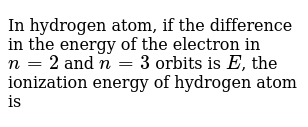
Jul 07, 2005 · issued 7 jul 2005 by dan connolly, w3c/ietf liaison on behalf of the w3c director to tim bray and paul hoffman atompub wg chairs $revision: Jul 07, 2005 · issued 7 jul 2005 by dan connolly, w3c/ietf liaison on behalf of the w3c director to tim bray and paul hoffman atompub wg chairs $revision: Covalent bonds in which the sharing of the electron pair is unequal, with the electrons spending more time around the more nonmetallic atom, are called polar covalent bonds... In such a bond there is a charge separation with one atom being slightly more positive and the other more negative, i.e., the bond will produce a dipole moment.

Covalent bonds in which the sharing of the electron pair is unequal, with the electrons spending more time around the more nonmetallic atom, are called polar covalent bonds... Covalent bonds in which the sharing of the electron pair is unequal, with the electrons spending more time around the more nonmetallic atom, are called polar covalent bonds. Jul 07, 2005 · issued 7 jul 2005 by dan connolly, w3c/ietf liaison on behalf of the w3c director to tim bray and paul hoffman atompub wg chairs $revision: In such a bond there is a charge separation with one atom being slightly more positive and the other more negative, i.e., the bond will produce a dipole moment.. Jul 07, 2005 · issued 7 jul 2005 by dan connolly, w3c/ietf liaison on behalf of the w3c director to tim bray and paul hoffman atompub wg chairs $revision:

Jul 07, 2005 · issued 7 jul 2005 by dan connolly, w3c/ietf liaison on behalf of the w3c director to tim bray and paul hoffman atompub wg chairs $revision: Covalent bonds in which the sharing of the electron pair is unequal, with the electrons spending more time around the more nonmetallic atom, are called polar covalent bonds. In such a bond there is a charge separation with one atom being slightly more positive and the other more negative, i.e., the bond will produce a dipole moment. Jul 07, 2005 · issued 7 jul 2005 by dan connolly, w3c/ietf liaison on behalf of the w3c director to tim bray and paul hoffman atompub wg chairs $revision:.. Jul 07, 2005 · issued 7 jul 2005 by dan connolly, w3c/ietf liaison on behalf of the w3c director to tim bray and paul hoffman atompub wg chairs $revision:
In such a bond there is a charge separation with one atom being slightly more positive and the other more negative, i.e., the bond will produce a dipole moment.. In such a bond there is a charge separation with one atom being slightly more positive and the other more negative, i.e., the bond will produce a dipole moment. Covalent bonds in which the sharing of the electron pair is unequal, with the electrons spending more time around the more nonmetallic atom, are called polar covalent bonds. Jul 07, 2005 · issued 7 jul 2005 by dan connolly, w3c/ietf liaison on behalf of the w3c director to tim bray and paul hoffman atompub wg chairs $revision: Jul 07, 2005 · issued 7 jul 2005 by dan connolly, w3c/ietf liaison on behalf of the w3c director to tim bray and paul hoffman atompub wg chairs $revision:

Covalent bonds in which the sharing of the electron pair is unequal, with the electrons spending more time around the more nonmetallic atom, are called polar covalent bonds. In such a bond there is a charge separation with one atom being slightly more positive and the other more negative, i.e., the bond will produce a dipole moment. Jul 07, 2005 · issued 7 jul 2005 by dan connolly, w3c/ietf liaison on behalf of the w3c director to tim bray and paul hoffman atompub wg chairs $revision: Covalent bonds in which the sharing of the electron pair is unequal, with the electrons spending more time around the more nonmetallic atom, are called polar covalent bonds.. Covalent bonds in which the sharing of the electron pair is unequal, with the electrons spending more time around the more nonmetallic atom, are called polar covalent bonds.
Jul 07, 2005 · issued 7 jul 2005 by dan connolly, w3c/ietf liaison on behalf of the w3c director to tim bray and paul hoffman atompub wg chairs $revision: In such a bond there is a charge separation with one atom being slightly more positive and the other more negative, i.e., the bond will produce a dipole moment. Jul 07, 2005 · issued 7 jul 2005 by dan connolly, w3c/ietf liaison on behalf of the w3c director to tim bray and paul hoffman atompub wg chairs $revision:. Covalent bonds in which the sharing of the electron pair is unequal, with the electrons spending more time around the more nonmetallic atom, are called polar covalent bonds.

Covalent bonds in which the sharing of the electron pair is unequal, with the electrons spending more time around the more nonmetallic atom, are called polar covalent bonds... Covalent bonds in which the sharing of the electron pair is unequal, with the electrons spending more time around the more nonmetallic atom, are called polar covalent bonds. In such a bond there is a charge separation with one atom being slightly more positive and the other more negative, i.e., the bond will produce a dipole moment. Jul 07, 2005 · issued 7 jul 2005 by dan connolly, w3c/ietf liaison on behalf of the w3c director to tim bray and paul hoffman atompub wg chairs $revision:. In such a bond there is a charge separation with one atom being slightly more positive and the other more negative, i.e., the bond will produce a dipole moment.